
Why You Should Wear SPF Every Day (Even Indoors)
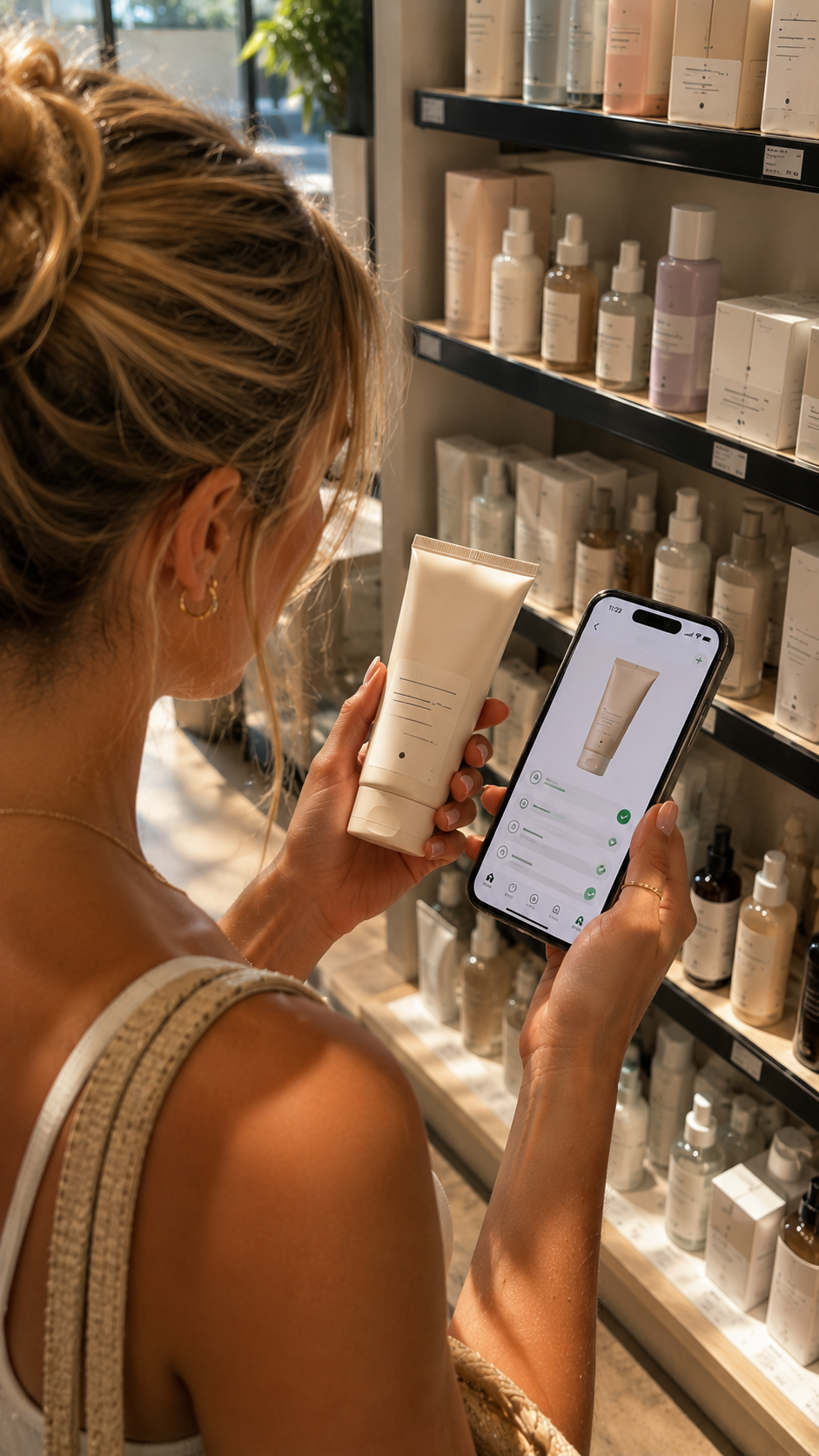
If you only ever adopt one skincare habit, make it this one. Daily sunscreen quietly out-performs every serum on your shelf — and most people still skip it.
TL;DR — Wear SPF 30+ every morning, all year, indoors or out. It's the most effective anti-ageing and skin-health step you can take.
Why SPF matters more than any serum
A landmark study found that up to roughly 80% of visible facial ageing — fine lines, uneven tone, loss of firmness — can be attributed to sun exposure. No vitamin C, retinol, or "brightening" serum can compete with simply not accumulating that damage in the first place. Daily sunscreen also protects against the more serious end: skin cancer risk.
Think of SPF as the foundation. Active ingredients are the renovations — pointless if the foundation keeps cracking.
"But it's cloudy / I'm inside" — the excuses that don't hold up
- Clouds — up to 80% of UV rays pass through cloud cover. Grey skies aren't sunscreen.
- Windows — UVA (the ageing rays) passes through glass. Sitting by a window at work or in the car still adds up.
- Darker skin tones — more melanin offers some protection, but not enough to prevent UV damage, hyperpigmentation, or cancer. Everyone benefits from SPF.
- "My makeup has SPF" — you'd need far more foundation than anyone wears to hit the labelled protection. Use dedicated sunscreen underneath.
How to actually use it (the part people get wrong)
- Amount: about two finger-lengths for the face and neck. Most people use a quarter of what they need.
- SPF level: SPF 30 is a sensible daily minimum; SPF 50 for long days outdoors.
- Broad spectrum: look for "broad spectrum" (UVA + UVB) on the label.
- Reapply: every 2 hours when you're outdoors or sweating. A normal indoor day, one solid morning application is the priority.
- Last step: SPF goes on after moisturiser, as the final step of your morning routine.
Chemical vs mineral sunscreen: which is better?
Both protect you — the "best sunscreen" is simply the one you'll actually wear every day. The difference is how they work:
- Mineral (physical) sunscreen uses zinc oxide or titanium dioxide to sit on the skin and deflect UV. Great for sensitive or reactive skin; can leave a white cast on deeper skin tones.
- Chemical sunscreen absorbs UV and converts it to heat. Usually lighter, more cosmetically elegant, and easier to wear under makeup — better for daily use for most people.
Whichever you pick, the rules are the same: broad-spectrum, SPF 30+, applied generously every morning.
Does the SPF in my makeup count?
Short answer: not really. To get the SPF printed on a foundation or tinted moisturiser, you'd need to apply far more product than anyone actually wears — and reapply it through the day. Treat makeup SPF as a small bonus, never your main line of defence. Use a dedicated sunscreen underneath as the last step of your skincare, then makeup on top.
Sunscreen and skin tone
Daily SPF matters for every skin tone. Deeper skin has more natural protection, but not enough to prevent UV damage, hyperpigmentation, or skin cancer — and uneven tone from sun exposure is one of the most common concerns for richer complexions. If a white cast is the dealbreaker, look for tinted mineral formulas or modern chemical sunscreens designed to go invisible.
Key takeaways
- SPF is the single highest-impact skincare step.
- UV reaches you through clouds and windows — wear it daily, year-round.
- Use enough (two finger-lengths) and choose broad-spectrum SPF 30+.
- Apply it last, after moisturiser, every morning.
Where SPF fits in your routine
You don't need a 12-step ritual to get this right — SPF belongs in even the most minimal routine. If your shelf is a pile of products with no plan, see how to build a skincare routine from what you already own, and why you probably don't need 12 steps.
References & further reading
- American Academy of Dermatology. How to apply sunscreen — application amount, reapplication, broad-spectrum SPF 30+.
- Skin Cancer Foundation. All about sunscreen — daily, year-round use.
- Skin Cancer Foundation. UVA rays and window glass.
- Flament F, et al. Effect of the sun on visible clinical signs of aging in Caucasian skin. Clin Cosmet Investig Dermatol. 2013.
FAQ
Do I need sunscreen indoors?
If you're near windows, yes — UVA rays pass through glass and contribute to ageing. For a day entirely away from windows, the risk is low, but a daily habit is easier to keep than a conditional one.
What SPF should I use every day?
Broad-spectrum SPF 30 is a solid daily minimum. Go SPF 50 for extended time outdoors.
Should I wear SPF in winter?
Yes. UVA levels stay meaningful year-round, and snow reflects UV. Daily means daily.
Never skip the step that matters
Scangloo flags the one real gap in your routine — usually SPF — and builds a simple plan around what you own. Join the waitlist for early access.
Join the waitlist